Buy xxlsize.eu ?
We are moving the project
xxlsize.eu .
Are you interested in purchasing the domain
xxlsize.eu ?
domain@kv-gmbh.de · 0541-91531010
Buy xxlsize.eu ?
Can you name the side chains?
The side chains of amino acids are also known as R groups. Each amino acid has a unique side chain that gives it specific chemical properties. Some examples of side chains include the nonpolar hydrophobic side chains of alanine and valine, the polar uncharged side chains of serine and threonine, and the acidic side chain of aspartic acid. These side chains play a crucial role in determining the structure and function of proteins. **
Can amino acid side chains form hydrogen bonds?
Yes, amino acid side chains can form hydrogen bonds. Some amino acid side chains, such as those in serine, threonine, and tyrosine, contain hydroxyl groups that can participate in hydrogen bonding. Additionally, the amide groups in the side chains of asparagine and glutamine can also form hydrogen bonds. These hydrogen bonds play important roles in stabilizing the three-dimensional structure of proteins and in mediating interactions between different amino acid side chains. **


Similar search terms for Side chains
Top-Angebote
Products related to Side chains:
-
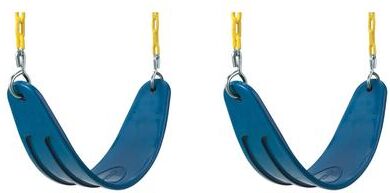
Swing-N-Slide Extreme-Duty Swing Seats with Chains - Blue (2-Pack)This pair of extreme-duty reinforced blue plastic Seat with chains allows you to join in the fun with your kids in the backyard fun! The robust swing seats each measure 26 inches in length with a 6-inch wide seat.69,72 $*Shipping: 0,00 $Secure redirect to the provider
-
'With an equal number of side chains, which main chain?'
With an equal number of side chains, the main chain with the higher molecular weight will generally have a higher boiling point. This is because the higher molecular weight main chain will have stronger intermolecular forces, such as van der Waals forces, which require more energy to overcome and therefore result in a higher boiling point. Additionally, the higher molecular weight main chain will have a larger surface area for intermolecular interactions, further contributing to a higher boiling point. **
-
How does one know how the side chains of alkanes are structured?
The structure of the side chains of alkanes can be determined by examining the molecular formula of the alkane and identifying the branching pattern of the carbon atoms. The side chains can be straight-chain or branched, and the position of the branches can be determined by numbering the carbon atoms in the main chain. Additionally, spectroscopic techniques such as NMR can be used to determine the structure of the side chains by analyzing the chemical shifts and splitting patterns of the hydrogen atoms in the molecule. Overall, a combination of chemical analysis and spectroscopic techniques can be used to determine the structure of the side chains of alkanes. **
-
Where does this trend of loose, oversized clothing and chains come from?
The trend of loose, oversized clothing and chains has its roots in various subcultures and fashion movements. Oversized clothing has been popularized by hip-hop and streetwear culture, where it became a symbol of comfort, individuality, and rebellion against traditional fashion norms. Chains, on the other hand, have been associated with punk and rock subcultures, where they were used as a form of self-expression and a way to convey a sense of edginess and nonconformity. Over time, these elements have been adopted and reinterpreted by mainstream fashion, leading to their current popularity in the fashion industry. **
-
Which side is plus and which side is minus?
In an electrical circuit, the side that has a higher potential energy is considered the plus side, while the side with lower potential energy is considered the minus side. This convention is used to indicate the direction of current flow in a circuit. The plus side is typically associated with the source of electrical energy, such as the positive terminal of a battery or the output of a power supply, while the minus side is associated with the ground or the return path for the current. **
Why do the side chains of lysine contain NH3 in some representations and NH2 in others?
The side chains of lysine contain NH3 in some representations and NH2 in others because lysine is a basic amino acid with a positively charged amino group at physiological pH. The NH3 representation reflects the protonated form of lysine, where the amino group has picked up a hydrogen ion and is positively charged. On the other hand, the NH2 representation reflects the unprotonated form of lysine, where the amino group is not carrying an extra hydrogen ion and is neutral. Both representations are valid and reflect different ionization states of lysine under different pH conditions. **
What are these chains called, where multiple chains are connected together?
These chains are called chain assemblies or chain strands. They are created by connecting multiple individual chains together using connecting links or master links. This allows for the creation of longer or stronger chains to suit specific applications or requirements. **
Top-Angebote
Products related to Side chains:
-
Trendy Discount Goods Oversized Jumbo Playing Cards Big Size Juego De Mesa Familiar Divertido Oversized Jumbo Playing Cards Big Size Juego De Mesa Familiar DivertidoBring Big Fun to Every Party with Jumbo Playing Cards Get ready to make your next party unforgettable with Jumbo Playing Cards 5x7 Inch. Perfectly designed for carnival events, birthday parties, and family game nights, these oversized cards bring a...49,97 $*Shipping: 0,00 $Secure redirect to the provider
-
Swing-N-Slide Extreme-Duty Swing Seats with Chains - Blue (2-Pack)This pair of extreme-duty reinforced blue plastic Seat with chains allows you to join in the fun with your kids in the backyard fun! The robust swing seats each measure 26 inches in length with a 6-inch wide seat.69,72 $*Shipping: 0,00 $Secure redirect to the provider
-
Can you name the side chains?
The side chains of amino acids are also known as R groups. Each amino acid has a unique side chain that gives it specific chemical properties. Some examples of side chains include the nonpolar hydrophobic side chains of alanine and valine, the polar uncharged side chains of serine and threonine, and the acidic side chain of aspartic acid. These side chains play a crucial role in determining the structure and function of proteins. **
-
Can amino acid side chains form hydrogen bonds?
Yes, amino acid side chains can form hydrogen bonds. Some amino acid side chains, such as those in serine, threonine, and tyrosine, contain hydroxyl groups that can participate in hydrogen bonding. Additionally, the amide groups in the side chains of asparagine and glutamine can also form hydrogen bonds. These hydrogen bonds play important roles in stabilizing the three-dimensional structure of proteins and in mediating interactions between different amino acid side chains. **
-
'With an equal number of side chains, which main chain?'
With an equal number of side chains, the main chain with the higher molecular weight will generally have a higher boiling point. This is because the higher molecular weight main chain will have stronger intermolecular forces, such as van der Waals forces, which require more energy to overcome and therefore result in a higher boiling point. Additionally, the higher molecular weight main chain will have a larger surface area for intermolecular interactions, further contributing to a higher boiling point. **
-
How does one know how the side chains of alkanes are structured?
The structure of the side chains of alkanes can be determined by examining the molecular formula of the alkane and identifying the branching pattern of the carbon atoms. The side chains can be straight-chain or branched, and the position of the branches can be determined by numbering the carbon atoms in the main chain. Additionally, spectroscopic techniques such as NMR can be used to determine the structure of the side chains by analyzing the chemical shifts and splitting patterns of the hydrogen atoms in the molecule. Overall, a combination of chemical analysis and spectroscopic techniques can be used to determine the structure of the side chains of alkanes. **
Similar search terms for Side chains
-
Where does this trend of loose, oversized clothing and chains come from?
The trend of loose, oversized clothing and chains has its roots in various subcultures and fashion movements. Oversized clothing has been popularized by hip-hop and streetwear culture, where it became a symbol of comfort, individuality, and rebellion against traditional fashion norms. Chains, on the other hand, have been associated with punk and rock subcultures, where they were used as a form of self-expression and a way to convey a sense of edginess and nonconformity. Over time, these elements have been adopted and reinterpreted by mainstream fashion, leading to their current popularity in the fashion industry. **
-
Which side is plus and which side is minus?
In an electrical circuit, the side that has a higher potential energy is considered the plus side, while the side with lower potential energy is considered the minus side. This convention is used to indicate the direction of current flow in a circuit. The plus side is typically associated with the source of electrical energy, such as the positive terminal of a battery or the output of a power supply, while the minus side is associated with the ground or the return path for the current. **
-
Why do the side chains of lysine contain NH3 in some representations and NH2 in others?
The side chains of lysine contain NH3 in some representations and NH2 in others because lysine is a basic amino acid with a positively charged amino group at physiological pH. The NH3 representation reflects the protonated form of lysine, where the amino group has picked up a hydrogen ion and is positively charged. On the other hand, the NH2 representation reflects the unprotonated form of lysine, where the amino group is not carrying an extra hydrogen ion and is neutral. Both representations are valid and reflect different ionization states of lysine under different pH conditions. **
-
What are these chains called, where multiple chains are connected together?
These chains are called chain assemblies or chain strands. They are created by connecting multiple individual chains together using connecting links or master links. This allows for the creation of longer or stronger chains to suit specific applications or requirements. **
* All prices are inclusive of VAT and, if applicable, plus shipping costs. The offer information is based on the details provided by the respective shop and is updated through automated processes. Real-time updates do not occur, so deviations can occur in individual cases. ** Note: Parts of this content were created by AI.